

Twenty thousand people. One city. One sentence everyone in the room seemed to agree on: the future is human.
Last week I went to Porto, where 20,000 people from Europe and the US gathered to discuss the future of work, well-being in the workplace, and the impact of AI at Happiness Camp, Europe’s largest human sustainability conference.
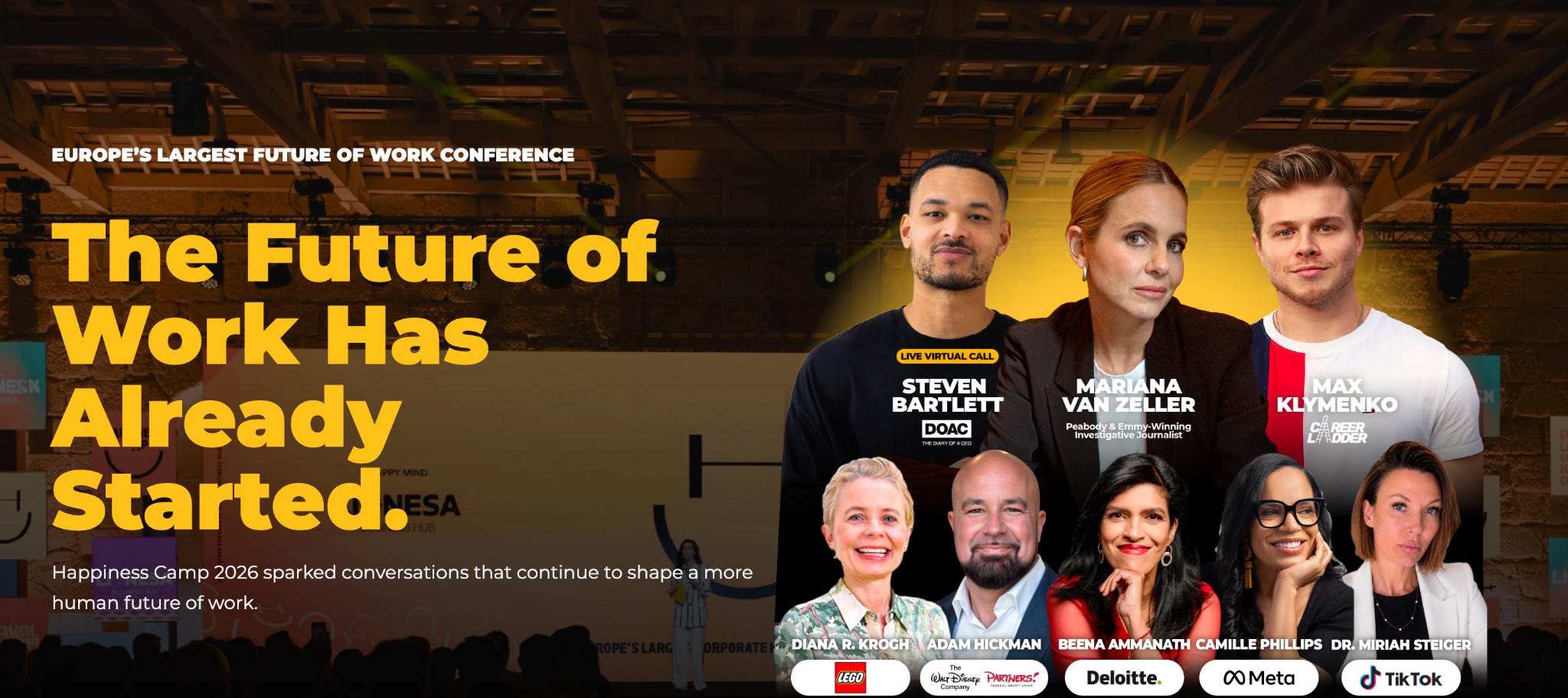
I’ve waited a decade to hear executives say that out loud. I sat on the front row and watched one leader after another say some version of this sentence while the audience applauded.
It felt like validation for the book I’ve been writing, which comes out this March. It also felt like a trap.
Because saying it is cheap. Every company at Happiness Camp, Europe’s largest human sustainability conference, believes in well-being. The question I kept asking myself was who’s actually doing it in Europe and in the U.S.
The future is human isn’t a slogan or a poster or a perk. It’s not a line item in the budget. It’s a different way to lead, work, and think.
1. Well-being in the workplace requires numbers.
I heard it from stage after stage. Well-being boosts productivity, creativity, and human capacity. But the same leaders who nod along want hard numbers before they put real effort behind the words. Fair. They should. A mission statement without a metric is a mural.
That’s the difference between two kinds of companies:
Hustle Culture says people are the engine.
Unhustle Culture says people are the point, and measures accordingly.
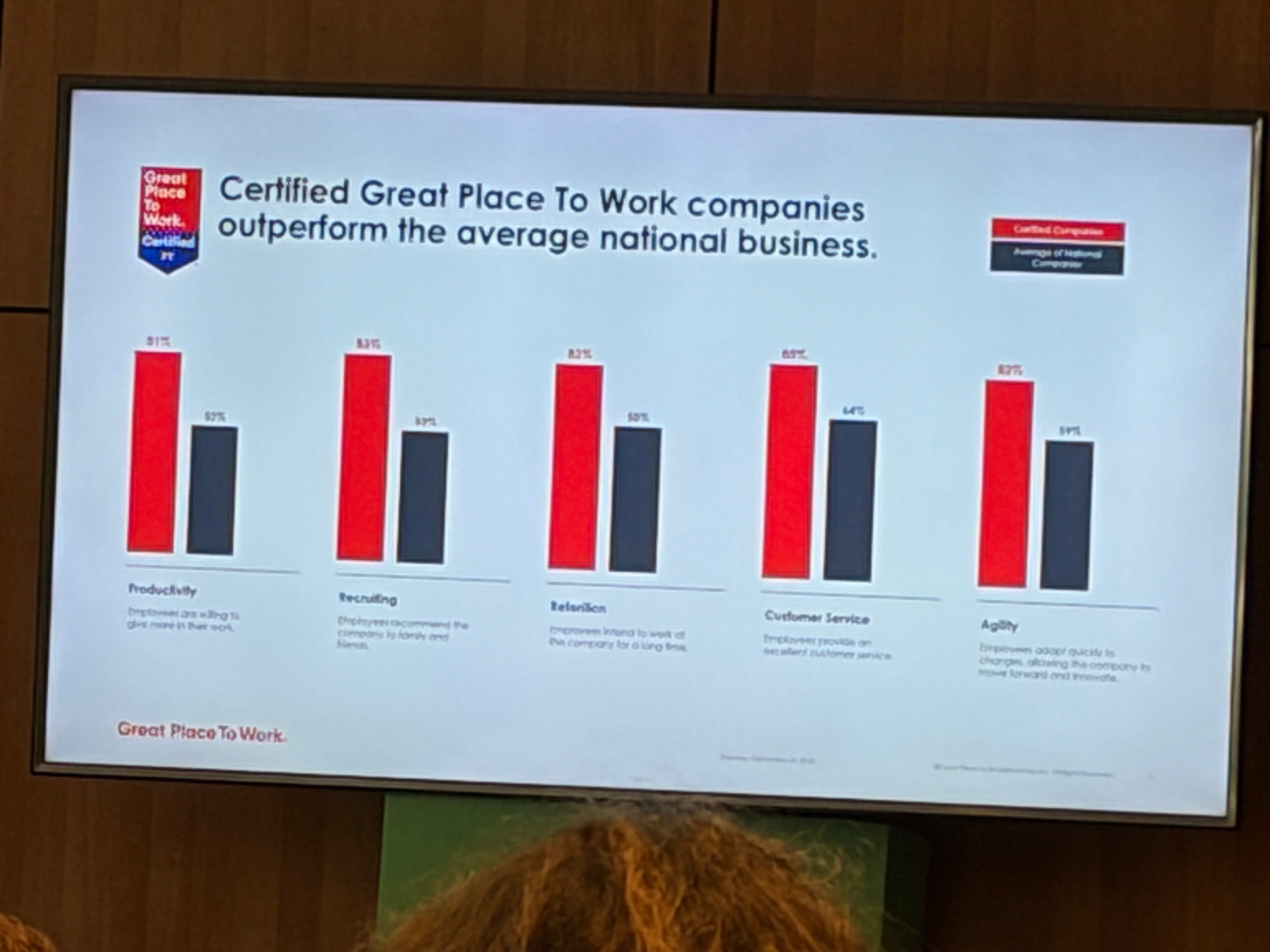
The ones who don’t invest will be left behind. Their best people will eventually leave for somewhere they belong, not just somewhere they work. They want a place where they feel like they matter.
2. Your attention is the scarcest thing you and your people own.
We’re always connected, more distracted than ever, and struggling to think. An interesting conversation between Jen Fisher and Steven Bartlett made me think of two kinds of attention:
Spent Attention is what the notifications take.
Invested Attention is what you place on purpose.
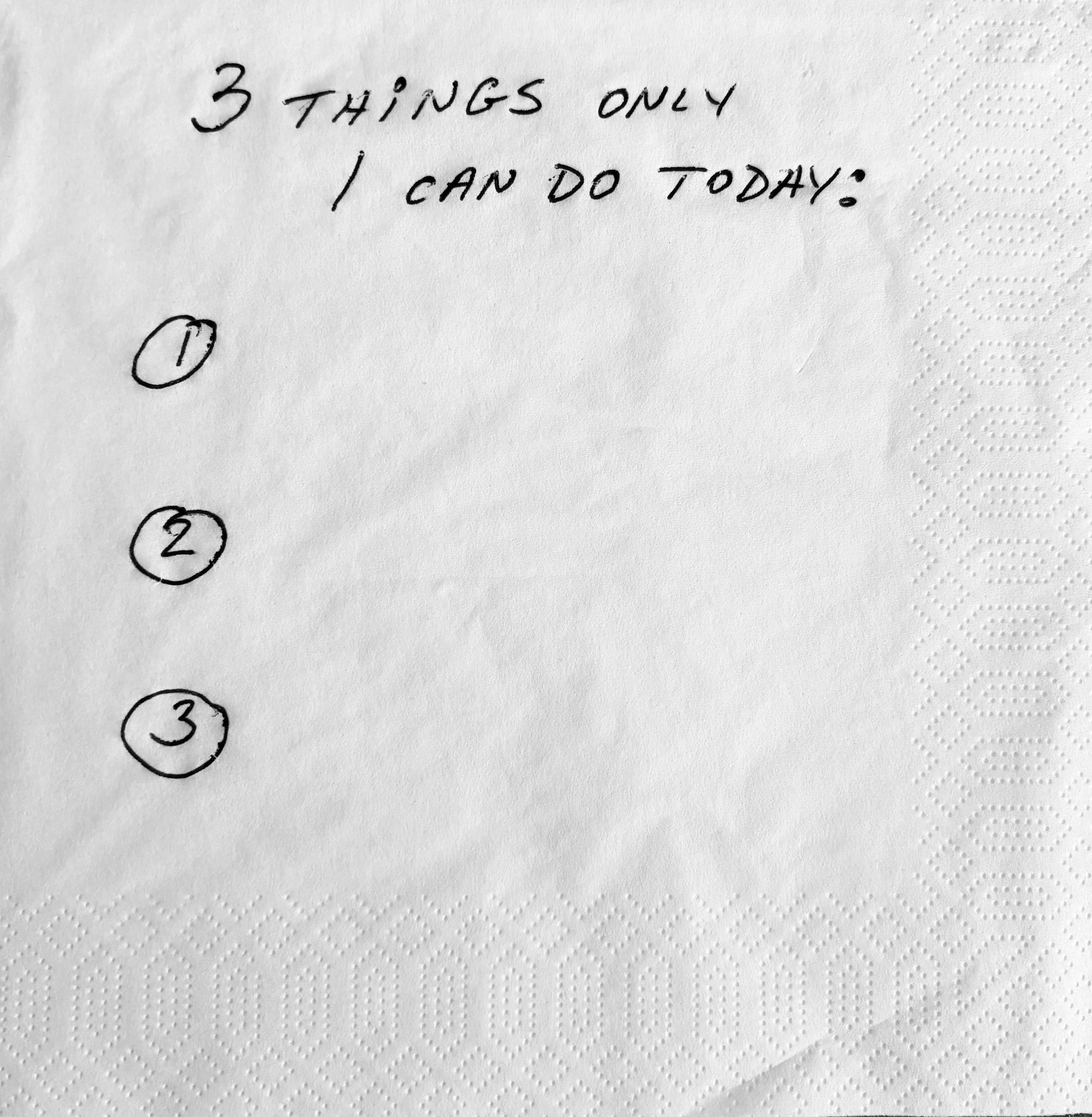
Here’s an exercise you can do on a napkin for today:
List 3 things only you can do today that will move the needle.
3. AI is redesigning work faster than any of us can keep up.
I sat in a roundtable with leaders from Deloitte AI Institute, Salesforce, Snapchat, Headspace, and WHOOP. Among them: a World Economic Forum board member, Salesforce’s first-ever Chief Ethical and Human Use Officer, who has advised the US President on AI, and the technology industry’s first-ever Chief Online Safety Officer.
What I walked away with is simple, and it’s not about technology. The people who scale AI well are the ones who build ethical guardrails first, turn human data into prevention, widen access to mental healthcare, and keep people firmly in control.
AI doesn’t replace emotional intelligence, relationships, critical thinking, or empathy. It makes them the only things left worth hiring for.
Human, not hustle, is the most important word. Ever.
And Sir Richard Branson showed up on stage.
He talked about being a rebel, daring to do things differently, and protecting family, health, and fun along the way. Notice the order. Not after the business is built. Along the way. The biggest risk he ever took was marrying his wife of fifty years.
Be more rebel.
The day after the conference, people from the Unhustle movement gathered for Unhustle Hour in Porto.
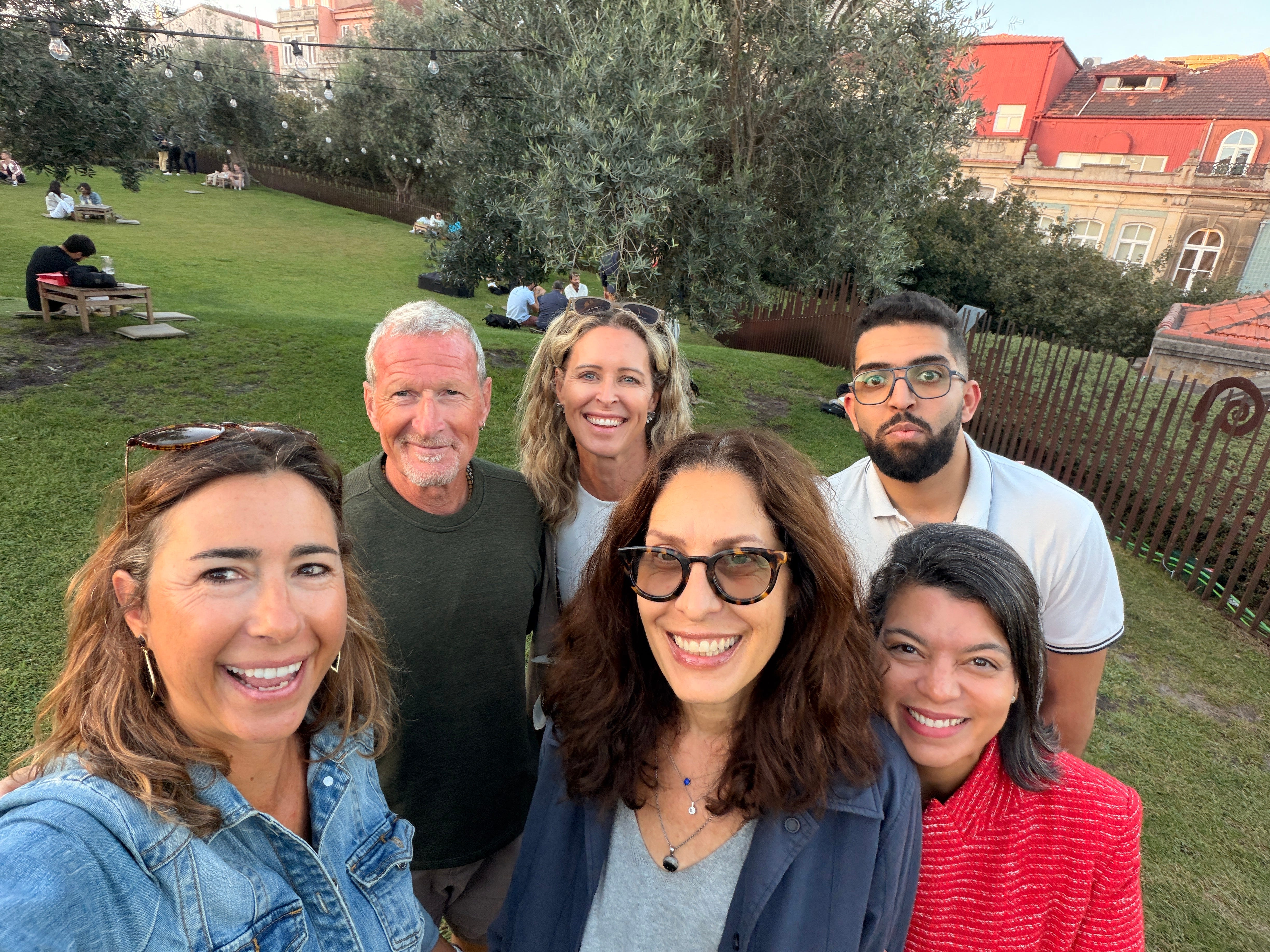
We talked about real struggles, life transitions, and hard pivots that take guts to take. In the matter of minutes we made new real connections that will last years. That’s where the real conversation in Porto happened, around a table small enough to hear each other.
I’m still digesting all of it. For the next few weeks I’m traveling through Europe, spending time with family, and going back to my roots.
So here’s my question for you, and I’d love a reply. Which company are you running: one with Hustle Culture or Unhustle Culture?
Until next time,
Milena
P.S. Unhustle: A Rebel’s Guide to Escaping the Grind and Building Life Wealth comes out March 2027, with a foreword by Chip Conley. [Join the waitlist →] to get the free foreword, introduction, and Chapter 1.
thanks so much for giving a little glimplse into this conference / Happiness Camp and a report of some of the aspects. I so appreciate it, because I didn't know about Happiness Camp and now I am all hooked. Does it take place every year?
I really liked your account of Richard Branson saying "..being a rebel, daring to do things differently, and protecting family, health, and fun along the way." That resonates a lot with me - as it is the same message I am trying to convey. As it is also your message/mission to make people aware of this.
I hope it will take place again next year and I would love to join then. Thanks again, Milena, for sharing this.