

“I don’t even know where to start,” I told my friend Tom this morning as he left for the airport. He’d dog-sat for us for the past month.
“Start from the beginning,” he said.
So here it is.
We got back from Europe a couple of weeks ago. Portugal, London, and my home country, Bulgaria. 23 days, 3 countries, 800+ photos of moments I don’t want to forget.
In those 23 days, I posted on social media three times and opened my laptop for two hours. One hour went to a newsletter about Happiness Camp. The other went to my copyeditor.
I didn’t realize how burnt out I was until I disconnected.
I came back rested, with a clarity I haven’t had in years. I also got a close look at how differently Europeans treat work and time. Here’s what I noticed.
Quiet hours are real. Making noise in the morning while the neighbors sleep is taboo. Same in the afternoon, when someone might be taking a siesta.
Lunch is a meal, not a meeting. It’s long and slow, and wine is allowed. After an espresso or a nap, you’re ready for the rest of the day.
A café is for coffee, not laptops. People sit, talk, and watch the world go by.
People walk. To work, to lunch, after dinner. It’s exercise, and it’s thinking time.
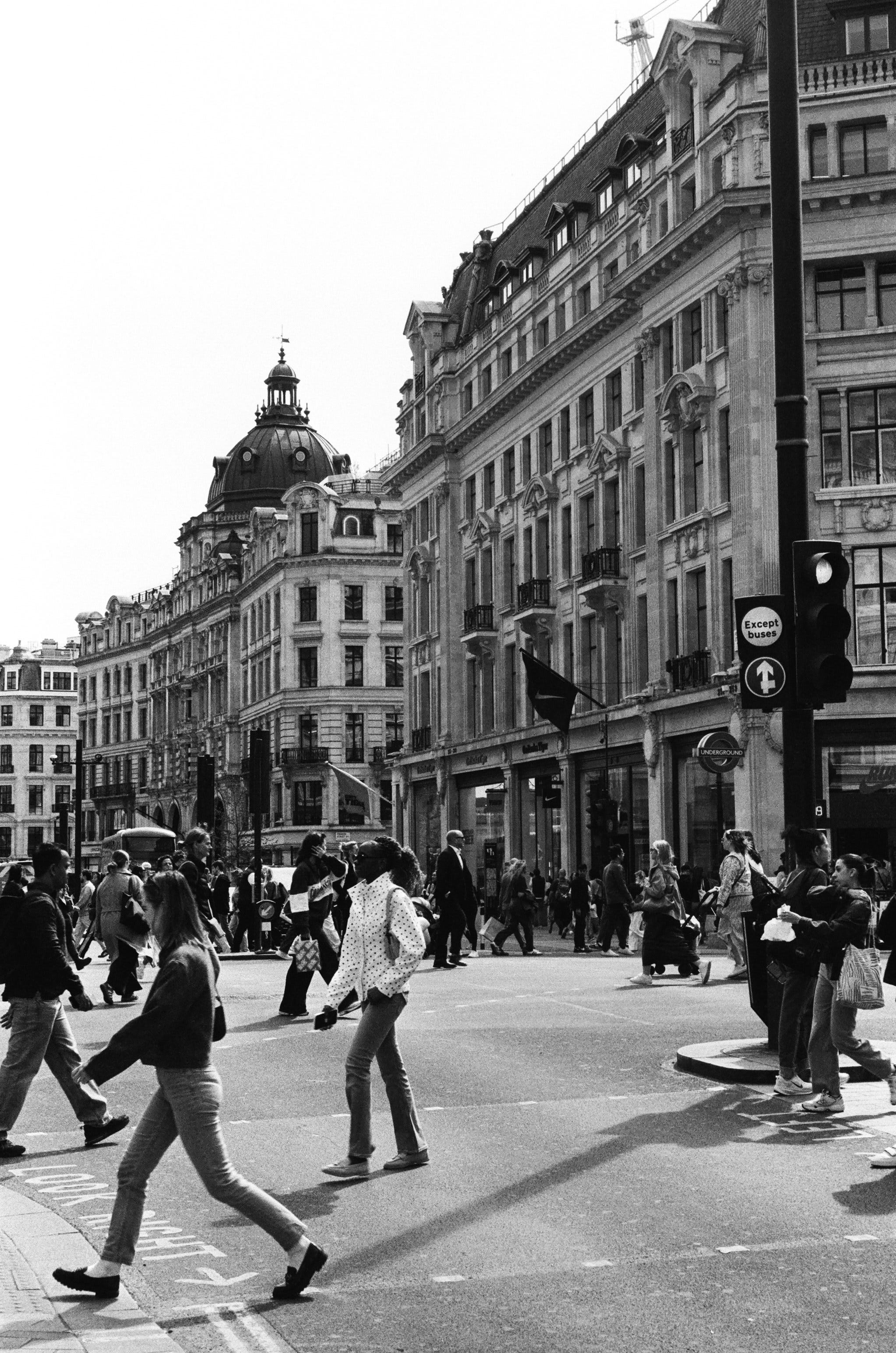
After hours means after hours. France has a right-to-disconnect law. Danish even has a word for the moment your workday ends and your own time begins: fyraften.
Friday afternoons slow down. By lunch, people are in weekend mode.
August is a season, not a week. People plan their year around time off. EU law guarantees at least four weeks of paid leave. US federal law guarantees none. Nobody asks you to justify a holiday.
“What do you do?” isn’t the first question. People ask where I’m from, or what I’m enjoying, long before they ask about my job.
They work hard. They just don’t let work be the whole of life.
You don’t need Europe. You need to decide how you treat your time.
So tell me: when does your workday actually end?
Part of the reason I went to Portugal was Happiness Camp (here are my takeaways), where 20,000 people gathered to talk about wellbeing, human sustainability, and AI at work. One line came up in almost every conversation: “Wellbeing is important, but it needs to show it helps the bottom line.”
Fine. Let’s test it.
The week of November 9, I’m starting the Unhustle Experiment: six weeks, 30 people. Each week, we’ll test out one idea from the book. We’ll have a live call, and you’ll practice on your own. We’ll track energy, hours worked, enjoyment, your Life Wealth, and work wins, and find out whether protecting your time makes your work better.
The program is $197. Whether you work for yourself or work in a company, you can do this. Are you in?
Milena
P.S. We start the week of Nov 9, and I’m keeping it to 30 people. If you’ve ever wanted a fyraften of your own, this is the six-week version.
P.P.S. The book is still on track for March 2027, time off and all. I’m in the last round of copyedits. If you’d like an early copy, join the advance reader team.
I lived in Europe for 7 years. Italy, Spain and Ireland. What you say is true. They understand the natural rhythm of human flourishing. We are trying to get that back on our homestead.