

Motion Without Meaning
One of the Hustle Culture sins I've identified

Happy Mothers Day to those who celebrate!
I’m in the final phase of editing my book. In it, I talk about Seven Deadly Sins of Hustle Culture.
This is one of them.
“The meaning of life is just to be alive,” says philosopher Alan Watts. “It is so plain and so obvious and so simple. And yet, everybody rushes around in a great panic as if it were necessary to achieve something beyond themselves.”
We’ve turned life into an endless means-to-an-end. We work to earn, earn to spend, spend to impress, impress to climb higher, climb to earn more. Round and round. Always becoming, never being. Always optimizing for the next thing, never present for this thing. An instrumental life. “We thought of life by analogy with a journey, a pilgrimage, which had a serious purpose at the end,” Watts says. “But we missed the point the whole way along. It was a musical thing, and you were supposed to sing or to dance while the music was being played.”
I know this sin intimately. For years, even my morning coffee wasn’t just coffee. It was fuel to make my brain function better. I’d try to fit as many activities as possible into my vacations, only to return to work needing another vacation. I’d go on walks because they were “good for me,” not because moving my body in fresh air felt good. Everything was FOR something else. Nothing was simply for itself.
The default world has made us forget how to dance. It tells us everything must have a PURPOSE, must lead SOMEWHERE, must be OPTIMIZED. Nothing exists for its own sake. Everything is a means to something else.
Work isn’t for the satisfaction of doing it well. It’s for making money, for retirement someday, for career advancement. Exercise isn’t for the joy of movement. It’s for achieving a body that impresses others. Food isn’t for pleasure and nourishment. It’s for “fueling performance.” Rest isn’t rest. It’s “recovery” so you can be productive tomorrow. Relationships aren’t for connection. They’re for networking. Hobbies aren’t for fun. They’re “side hustles.” Even meditation becomes a productivity tool. Even therapy becomes about “fixing yourself faster.”
We’ve instrumentalized everything. Turned life into perpetual performance where nothing is valued for what it is, only for what it leads to. You know the feeling. The 27 browser tabs open, the back-to-back Zoom calls, the frantic productivity that leaves you exhausted but unable to name what you actually accomplished. It’s checking all the boxes on someone else’s scorecard while ignoring the question: Is any of this moving me toward a life I actually want? We keep moving because stopping feels dangerous. Because if we slow down, we might have to face what we’ve been running from: What is all this motion actually for?
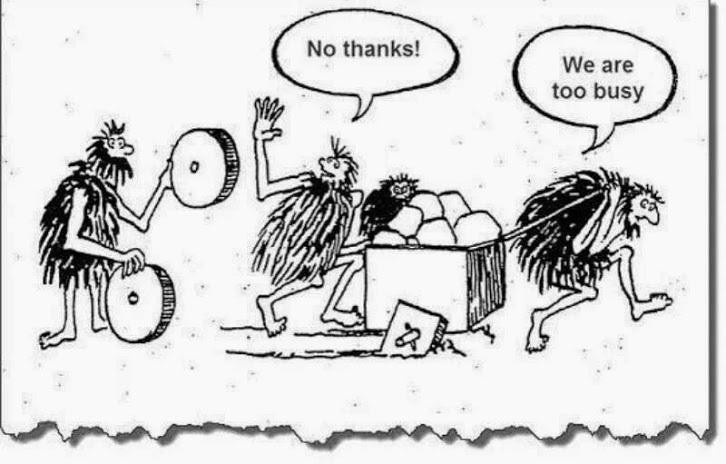
Hustle culture keeps you in that panic. Too busy achieving to ask what you’re achieving for. Too busy becoming to remember how to simply be. When you’re in constant motion but moving toward nothing that actually matters to you, the cost is measurable, and deadly.
People with a strong sense of purpose have significantly lower mortality rates. A 7-year study of over 43,000 Japanese adults found that those without ikigai, “reason for being,” had 1.5 times higher mortality from cardiovascular disease. Real ikigai encompasses finding purpose in small daily moments, relationships, and simple pleasures. The garden. The morning tea. The conversation with a friend. We’ve taken that concept into the Western world and turned it into another achievement to unlock, another optimization problem to solve.
Remember Ann and her garden? It wasn’t FOR anything. Not optimizing productivity. Not achieving status. Not becoming someone more impressive. Not even “stress relief” or “mindfulness practice.” Just being present with the earth and the seeds and the sun and the sky and the trees and the birds. Watching things happen in their own time. Getting her hands dirty because it brought her joy.
This is what Watts meant. The garden doesn’t lead somewhere. The garden IS somewhere. The purpose of gardening is gardening. The purpose of dancing is dancing. The purpose of living is living. Ann stopped instrumentalizing her life. And it saved her. We’ve all done this. Instrumentalized our lives until nothing exists for its own sake.
Motion without meaning isn’t about lacking purpose. It’s about instrumentalizing everything—including purpose itself. Turning life into an optimization problem where nothing is valued for what it is, only for what it produces. It’s what psychologist Larissa Rainey calls “purpose anxiety”—the stress, insecurity, and frustration that arise from treating life as an endless optimization problem. From constantly asking “What is this FOR?” instead of simply experiencing what it IS.
And underneath all this motion, the question haunts: What is this all for?
Most people can’t answer. They’re hustling because everyone else is hustling. Achieving, because achievement is what you’re supposed to do. Optimizing because optimization is the only game they know.
But motion isn’t the same as direction. Productivity isn’t the same as purpose. And all the optimization in the world won’t fill the void where meaning should be.
I started asking myself a different question: What brings me joy? What am I curious about? What do I want to do for fun? What in my life exists purely for its own sake? Not FOR productivity. Not FOR health. Not FOR success. Not FOR anything else. Just... because.
The answer was uncomfortable: Almost nothing.
__
See you again next week with more.
Milena